
Marky Website-Builder

Vom Chat-Prompt zur Full-Stack-Web-App

Marky kann eine Website planen, programmieren, in der Vorschau zeigen und veröffentlichen – oder Backend, Datenbank und Kontoflüsse erstellen, wenn echte Anwendungslogik nötig ist.

Dein BriefingReact + TypeScriptPostgres + AuthentifizierungCloud Run
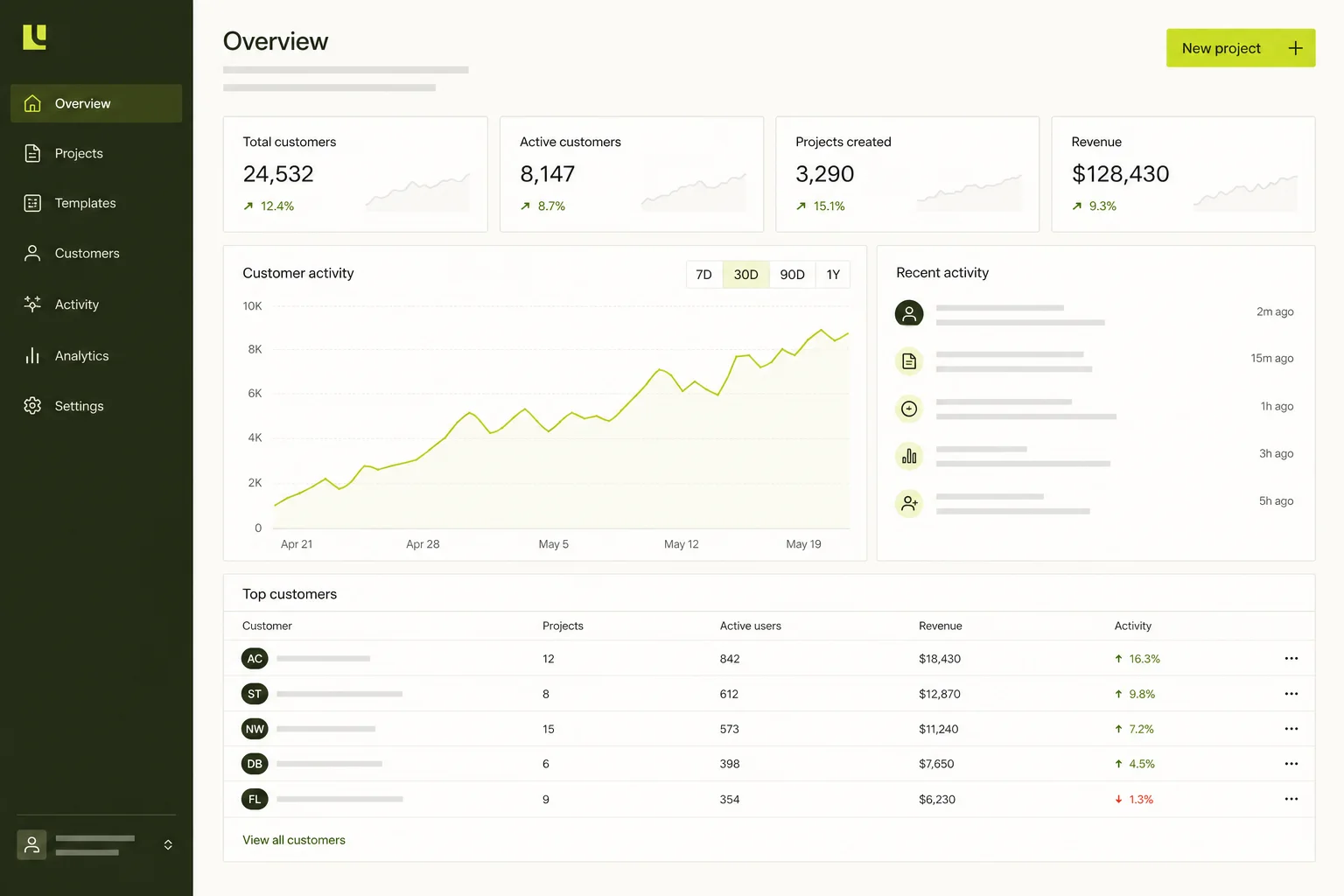
Illustration von KI-SaaS-App-Builder
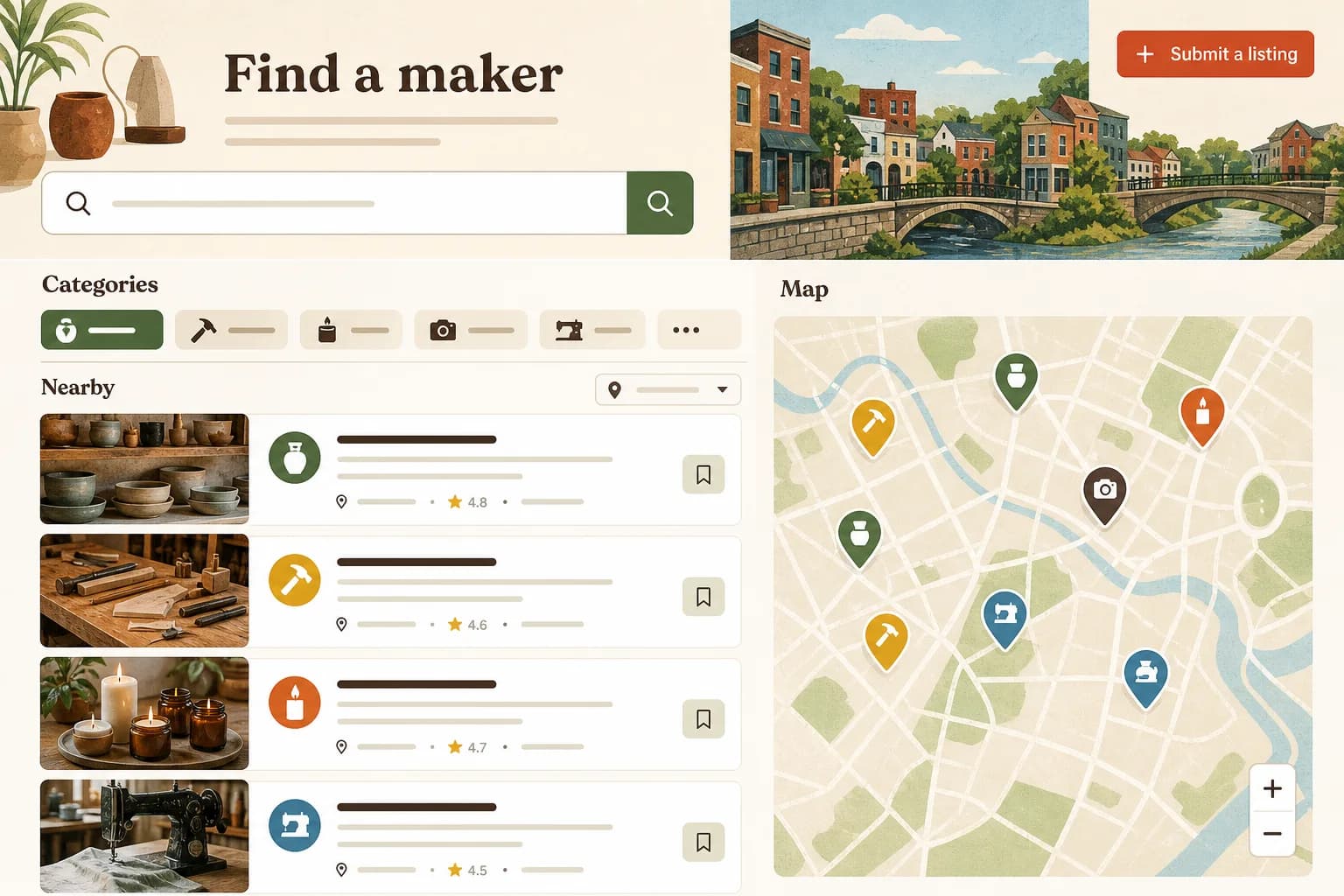
Illustration von KI-Buchungswebsite-Builder

Direkte Antwort

Was ist Markys KI-Website-Builder?

Marky ist ein dialogbasierter Website- und Web-App-Builder in Easy-Peasy.AI. Er erzeugt ein editierbares React- und TypeScript-Projekt, startet eine Live-Vorschau, ergänzt Express-Backend, Neon Postgres, Authentifizierung und Dateispeicher und veröffentlicht die freigegebene Version auf Google Cloud Run. Du kannst im Chat weiterarbeiten oder den Code mit GitHub synchronisieren.

Wähle das passende Grundgerüst

Einfache Website oder Full-Stack-App?

Marky kann schlank beginnen und die Anwendungsebene ergänzen, sobald Konten, gespeicherte Datensätze oder geschützte Serverlogik gebraucht werden.

Vergleich einfacher Websites und Full-Stack-Projekte mit Marky
FunktionEinfache WebsiteFull-Stack-App
FrontendVite, React, TypeScript and Tailwind CSSVite, React, TypeScript and Tailwind CSS
ServerNot includedExpress with typed tRPC APIs
DatabaseNot includedManaged Neon Postgres with Drizzle
User accountsNot includedBetter Auth foundation and Google OAuth support
File uploadsStatic project assetsCloudflare R2, using an S3-compatible API
Best forMarketing sites, portfolios and information pagesPortals, SaaS, directories and operational apps

Produktionsbasis

Die Infrastruktur hinter dem Gespräch

Der Chat ist die Oberfläche. Darunter arbeitet Marky mit einer konventionellen Codebasis und nachvollziehbaren Managed Services.

Preview
A public sandbox URL that updates while Marky works
Production
Google Cloud Run after you explicitly approve publishing
Data
A managed Neon Postgres branch for each full-stack project
Authentication
Better Auth foundation with centralized Google OAuth support
Domains
An editable subdomain, a connected domain or a purchased domain
Source code
Create or connect a GitHub repository and push project changes

Vollständige Funktionsübersicht

Was Marky in einem Webprojekt übernehmen kann

Die Funktionen richten sich nach dem Briefing. Eine Infoseite braucht keine Datenbank, ein Portal schon. Marky ergänzt tiefere Ebenen genau dann, wenn das Produkt sie benötigt.

The working code and feedback loop

Build and inspect

  • Vite, React, TypeScript and Tailwind CSS for every web project
  • Express and typed tRPC APIs when the project needs a backend
  • Live preview, project health checks, commands and tests for full-stack work
  • An upgrade path from a simple website to the full-stack scaffold

Persistent application data and identity

Store and protect

  • A managed Neon Postgres branch provisioned for the project
  • Drizzle models, schema changes, migrations and direct SQL operations
  • Better Auth foundations and centralized Google OAuth support
  • Cloudflare R2 object storage through its S3-compatible interface

Protected credentials and external capabilities

Connect services

  • Project secrets for private API keys and service credentials
  • Easy-Peasy.AI endpoints for text, chat, images, video, speech, transcription, bots and sounds
  • Third-party APIs for payments, email, calendars, maps and similar workflows
  • AWS APIs and services when configured—separate from the default Cloud Run publish path

Versions, domains and production operation

Ship and recover

  • Automatic preview checkpoints, named versions and rollback controls
  • Google Cloud Run publishing and an optional Always-On Hosting add-on
  • Editable subdomains plus custom-domain purchase or connection, DNS and SSL setup
  • GitHub repository creation, linking, push and later code synchronization

Build-Zyklus

Ein sichtbarer Weg von der Idee bis zur Produktion

  1. 01

    Describe the outcome

    Give Marky the users, core workflow, records and visual direction—not just a page count.

  2. 02

    Review the live preview

    Marky scaffolds the project, runs it and opens a URL you can inspect while the conversation continues.

  3. 03

    Refine and checkpoint

    Request changes in plain language and save a named working version before larger revisions.

  4. 04

    Publish when it is ready

    Approve production deployment, choose the URL and optionally connect the codebase to GitHub.

Klare Grenzen

Was du vor dem Launch wissen solltest

  • Google Cloud Run is the built-in deployment target. AWS is possible by adapting the GitHub codebase or integrating AWS services with credentials.
  • Payments, email, maps, calendars and other third-party services require suitable APIs, your credentials and real integration testing.
  • Marky can implement metadata, structured data, sitemaps and internal links when requested; useful source content still determines search quality.
  • Apps handling regulated or highly sensitive data need an independent security, privacy and compliance review before production use.

Fragen und Antworten

FAQ zum Marky Website-Builder

Can Marky build a full-stack website, not just a landing page?

Yes. Marky can start with a lightweight React website or create a full-stack web app with an Express backend, typed APIs, a Neon Postgres database, Drizzle models, authentication, file storage, and server-side integrations. The scaffold is chosen from the requirements in your brief.

Can a Marky website include Google login?

Yes. Full-stack projects include an authentication foundation and support a centralized Google OAuth flow. Marky can build the sign-in screens and authenticated product experience, then test the flow in preview before the app is published.

Where are Marky websites hosted?

The built-in production publishing flow deploys websites and web apps to Google Cloud Run. Every published project can use an editable easy-peasy.site subdomain, connect an existing custom domain, or purchase a new domain through the project settings.

Can Marky deploy a website to AWS?

Google Cloud Run is Marky's built-in deployment target. Because the generated project is a real TypeScript and Node.js codebase that can be pushed to GitHub, a developer can adapt it for AWS. AWS services and credentials are an integration path, not the default one-click publish flow.

Do I own or export the website code?

You can connect GitHub, create a new repository or link an existing one, and push the project code and later changes. Marky also keeps preview checkpoints so you can inspect versions and roll the editable project—or an eligible live deployment—back to an earlier state.

Can I add a database after starting with a simple website?

Yes. Marky can upgrade a static web project to the full-stack scaffold when the site grows to need user accounts, stored records, backend APIs, uploads, or AI features. The upgrade provisions the database and authentication foundation without requiring a brand-new conversation.

Beginne mit einem hilfreichen Briefing

Sag Marky, für wen die Website gedacht ist und was diese Personen erreichen sollen.

Jetzt erstellen