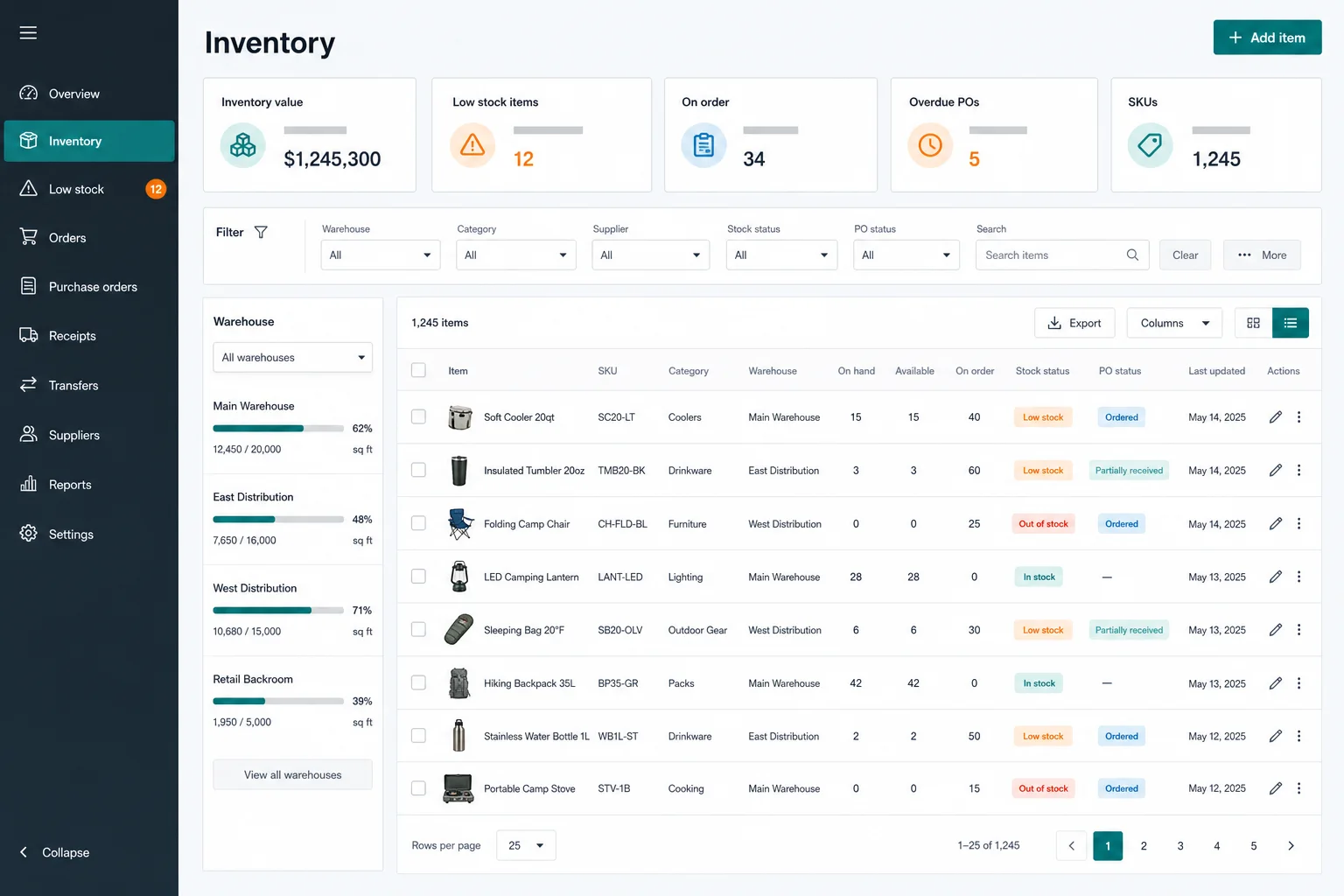
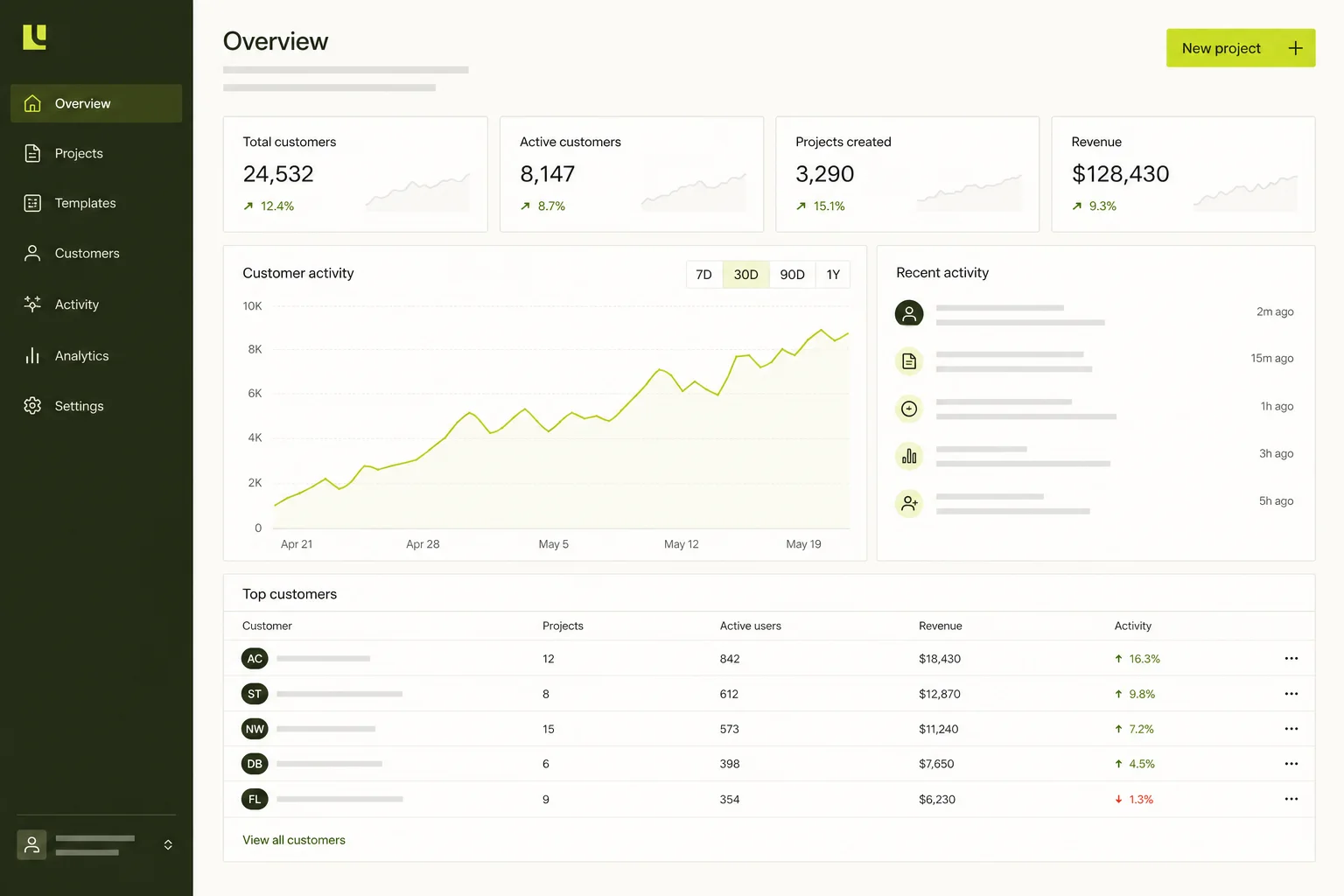
Structured listing data
Define the fields that make the niche useful instead of squeezing every listing into a generic profile.
For niche publishers and marketplaces
Create searchable listings, category pages, submissions and moderation for local businesses, resources, vendors, properties, jobs or any structured collection.
Direct answer
An AI directory website builder creates both the public discovery experience and the data system behind it. Marky can model listings and categories in Postgres, build search and filters, add submission and moderation workflows, and integrate mapping or payments when the project requires them.
Built around the job
These are functional product layers tied to the workflow—not decorative sections copied from a template.
Define the fields that make the niche useful instead of squeezing every listing into a generic profile.
Build discovery around location, type, attributes, availability or other meaningful facets.
Let contributors submit or edit records while an operator reviews status and publication.
Give approved listings stable routes, descriptive metadata and internal links from category pages.
Connect a mapping, geocoding or enrichment provider when you add the relevant API credentials.
Add featured placements, subscriptions or lead flows through an explicitly designed payment integration.
Suggested data model
Example prompt
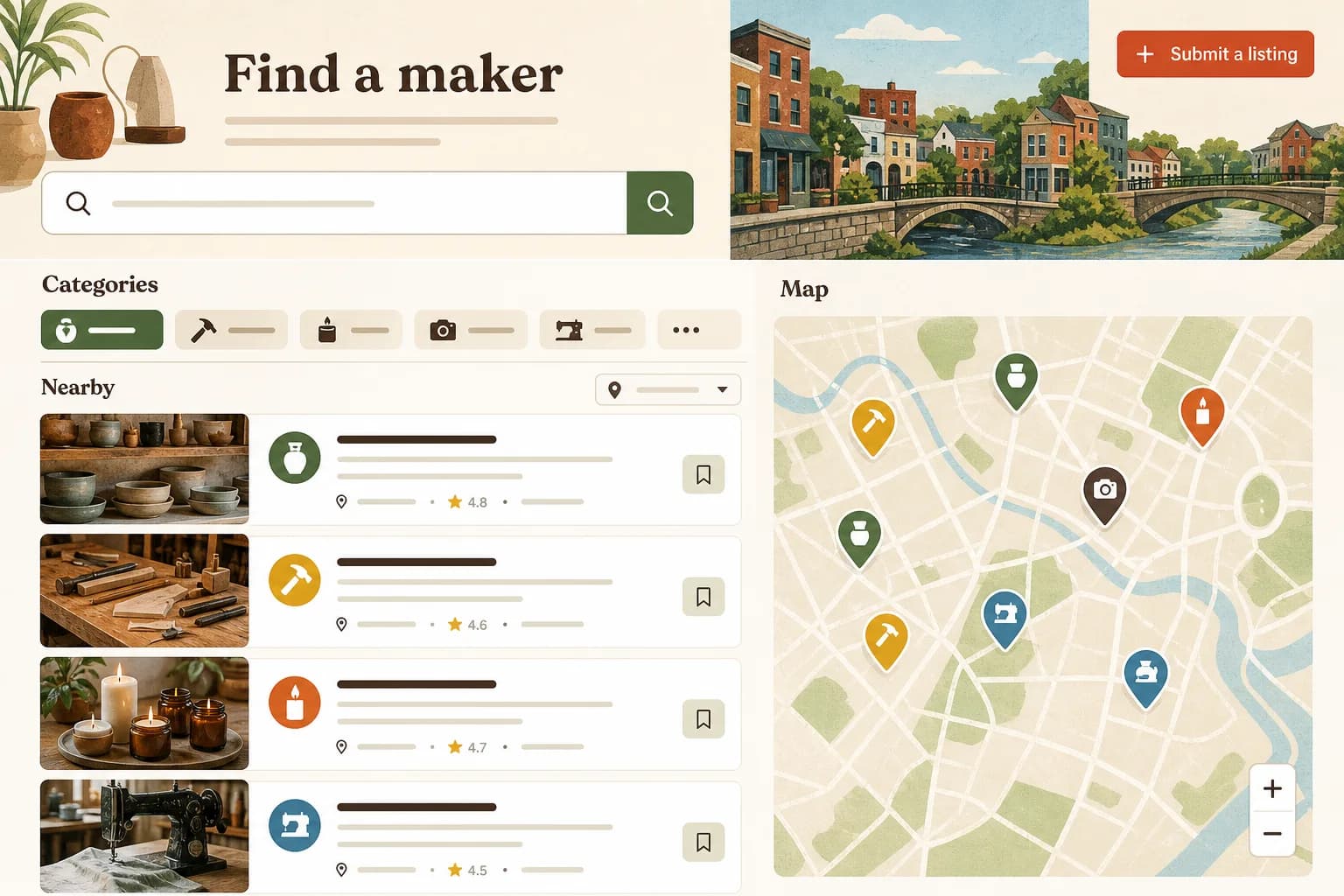
“Build a directory for independent makers in one city. Visitors can search by craft and neighborhood, view map-ready profiles, bookmark listings and submit corrections. Makers can request a listing; an admin reviews every submission before it is published.”Use this as a starting point
Practical build sequence
Define who searches, what they compare and which listing data helps them decide.
Marky models listing fields, categories, locations and moderation before building browse pages.
Implement filters, detail routes, submissions and operator review with realistic sample states.
Launch on a domain after reviewing quality, then extend the schema as the niche teaches you more.
Shared production stack
An editable frontend, not a proprietary page format.
Persistent records and protected server-side logic.
Authentication and protected credentials for integrations.
Built-in publishing targets Google Cloud Run. AWS services can be integrated through protected credentials, and the GitHub codebase can be adapted for an AWS deployment by a developer.
Specific questions
Yes. Listings, categories and locations can live in Postgres and be exposed through typed backend APIs. Marky can build filterable browse pages and stable detail routes around the fields that matter to your directory niche.
Yes. Marky can create submission forms, contributor accounts and moderation states such as draft, pending, approved and rejected. The operator view can keep unpublished data separate until a listing passes review.
Yes, through a mapping provider that offers the needed SDK or API. You supply the provider key through project secrets; Marky can store coordinates and connect map markers to the same listing records used by search.
Marky can implement crawlable routes, titles, descriptions, structured data, sitemaps and internal linking when requested. Useful, unique listing data is still essential—mass-producing empty location or category pages would create thin content rather than durable SEO value.
Keep exploring
Build the first working version