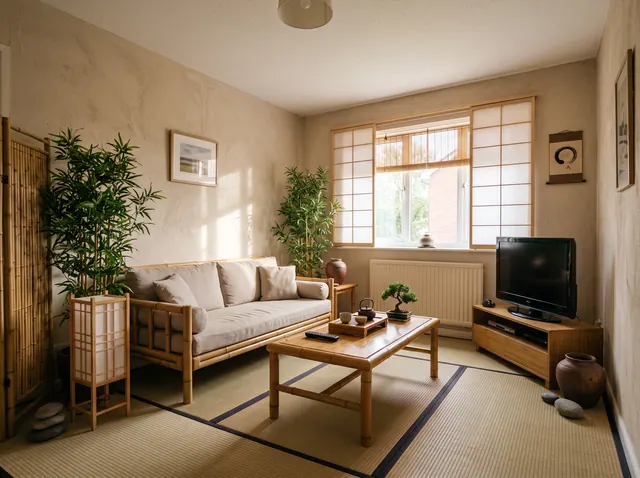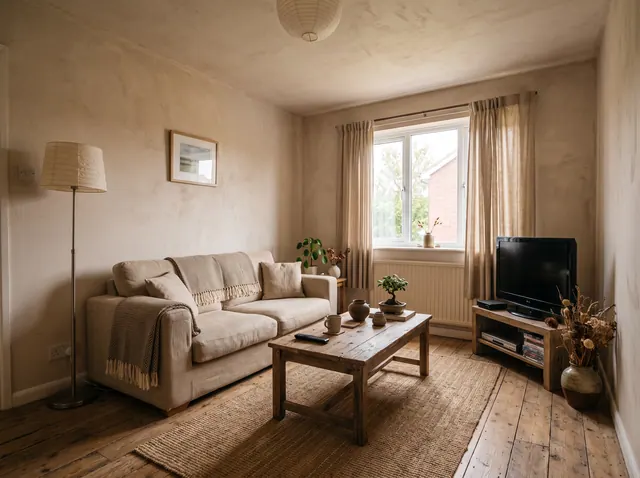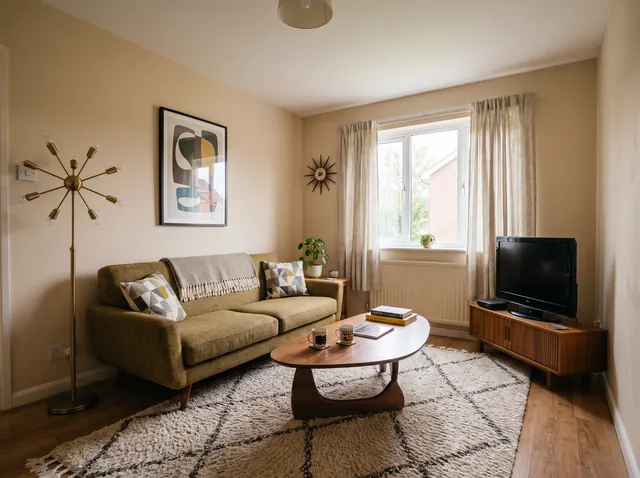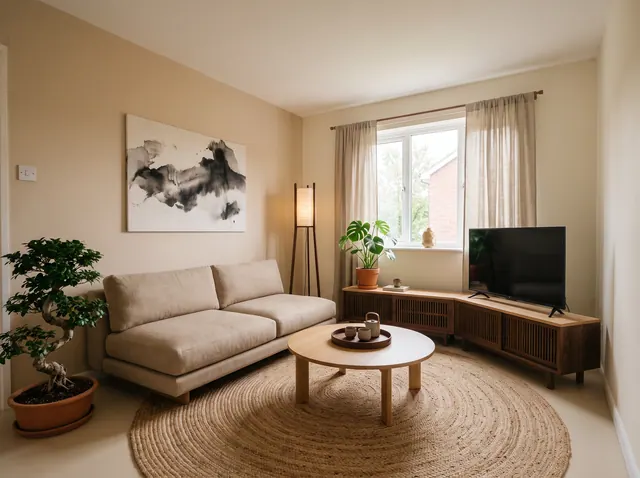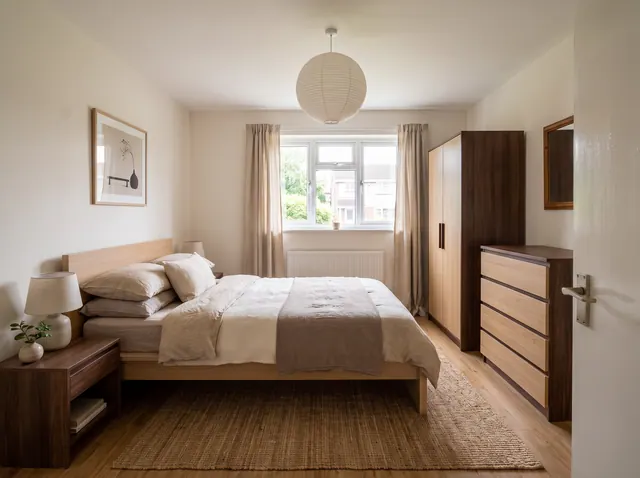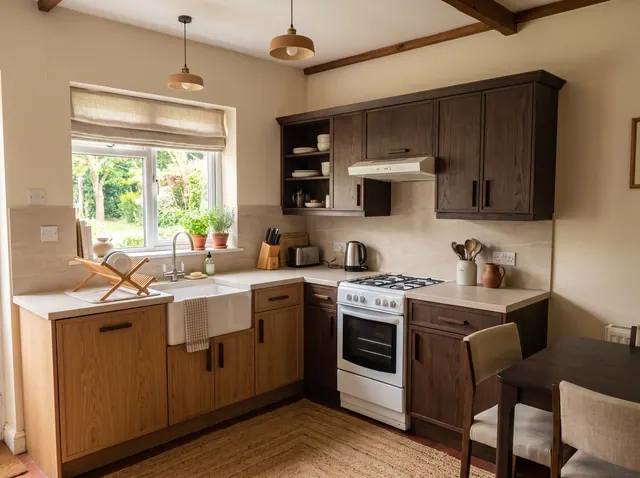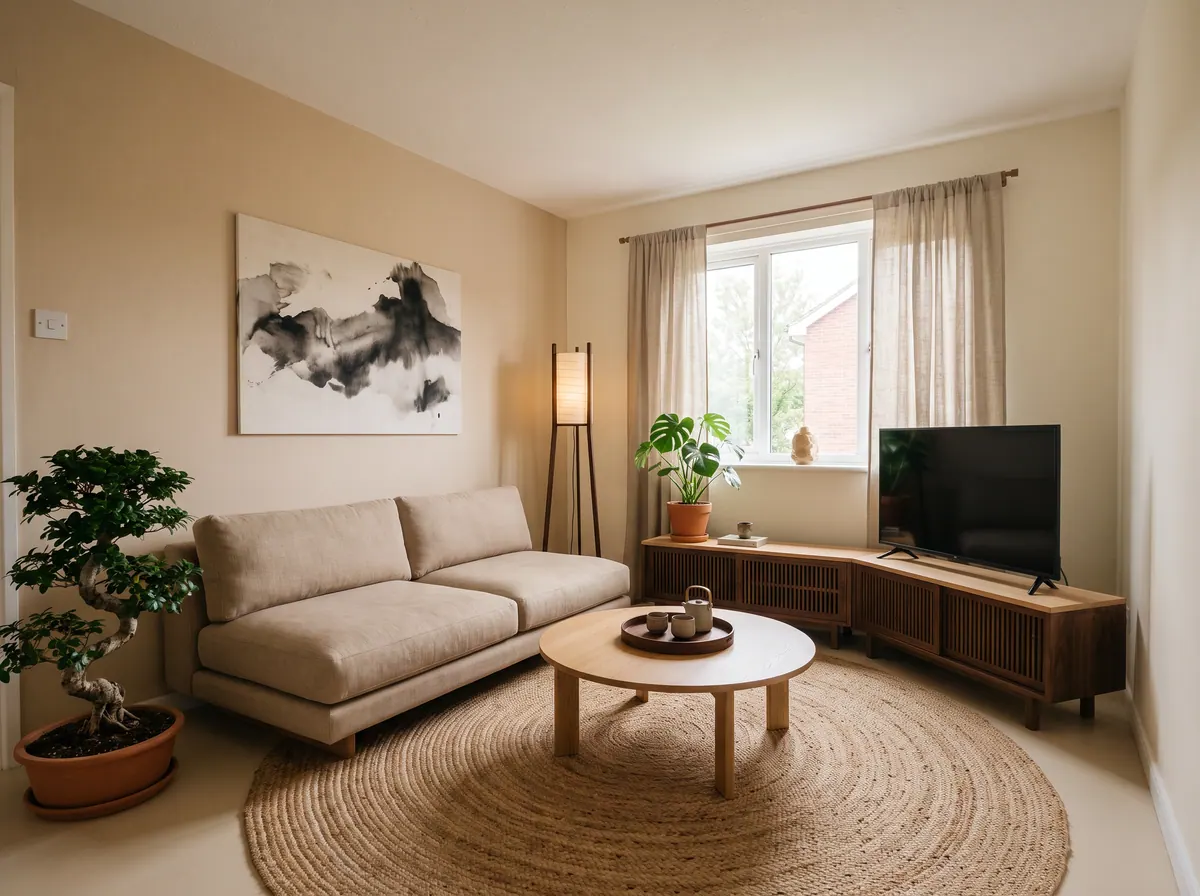
A Japandi living room
- Choose a low sofa in linen or bouclé in oatmeal or soft gray.
- Anchor the light colors with a dark wood coffee table.
- Light the room with a paper floor lamp and keep the walls nearly bare.
Style guideJapanese calm meets Scandinavian comfort
Japandi is a mix of Japanese and Scandinavian design: light and dark wood, warm neutral colors, low furniture and very little clutter. It feels as calm as a Japanese home and as cozy as a Nordic one.
Your first design is free. No credit card needed.
Updated October 11, 2026
The name joins “Japan” and “Scandi”, and the style took off in the late 2010s. The two traditions have long had a lot in common: both value natural materials, good craftsmanship and rooms that are easy to live in.
Scandinavian design brings warmth, soft textiles and everyday comfort, close to the Danish idea of hygge. Japanese design brings restraint, low lines and respect for empty space, along with wabi-sabi, the idea that simple, imperfect things are beautiful.
The result is a room with fewer, better things. Every piece has a job, surfaces stay clear, and the materials do the decorating: oak and walnut, linen, paper, stone and clay.
Warm white
#F2EDE4
Walls and ceilings
Oatmeal
#D9CBB5
Sofas, bedding, rugs
Light oak
#C9A97E
Floors and furniture
Charcoal
#3A3835
Dark wood, frames, lamps
Muted sage
#9EA58D
Plants and small accents
Keep most of the room in the light neutrals and use charcoal or dark wood for contrast: a walnut table, black frames or a stoneware lamp. Color comes from wood and plants more than from paint.
Sofas, beds and tables sit low, with clean lines and slim legs. Pieces look made by a craftsperson rather than showy.
Pale Scandinavian oak next to darker, Japanese-style wood gives the room depth without adding color.
Storage is closed or built in. Only a few objects stay out, with space around each one.
Sheer linen curtains or paper screens soften daylight. In the evening, low lamps with warm bulbs replace a bright ceiling light.
Linen, bouclé, woven baskets and handmade ceramics keep a quiet room from feeling cold. Patterns, if any, are small and calm.
A single sculptural plant or a branch in a vase does more than a crowd of pots.
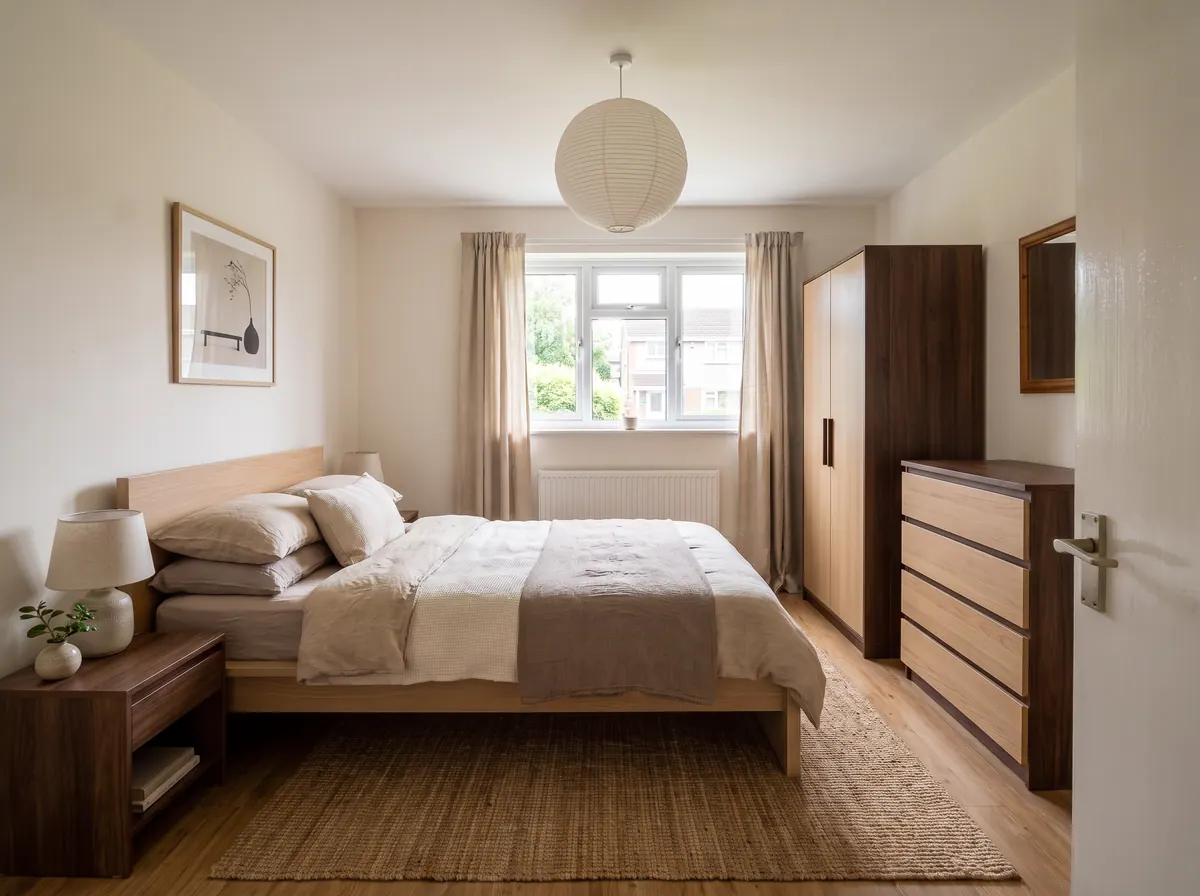
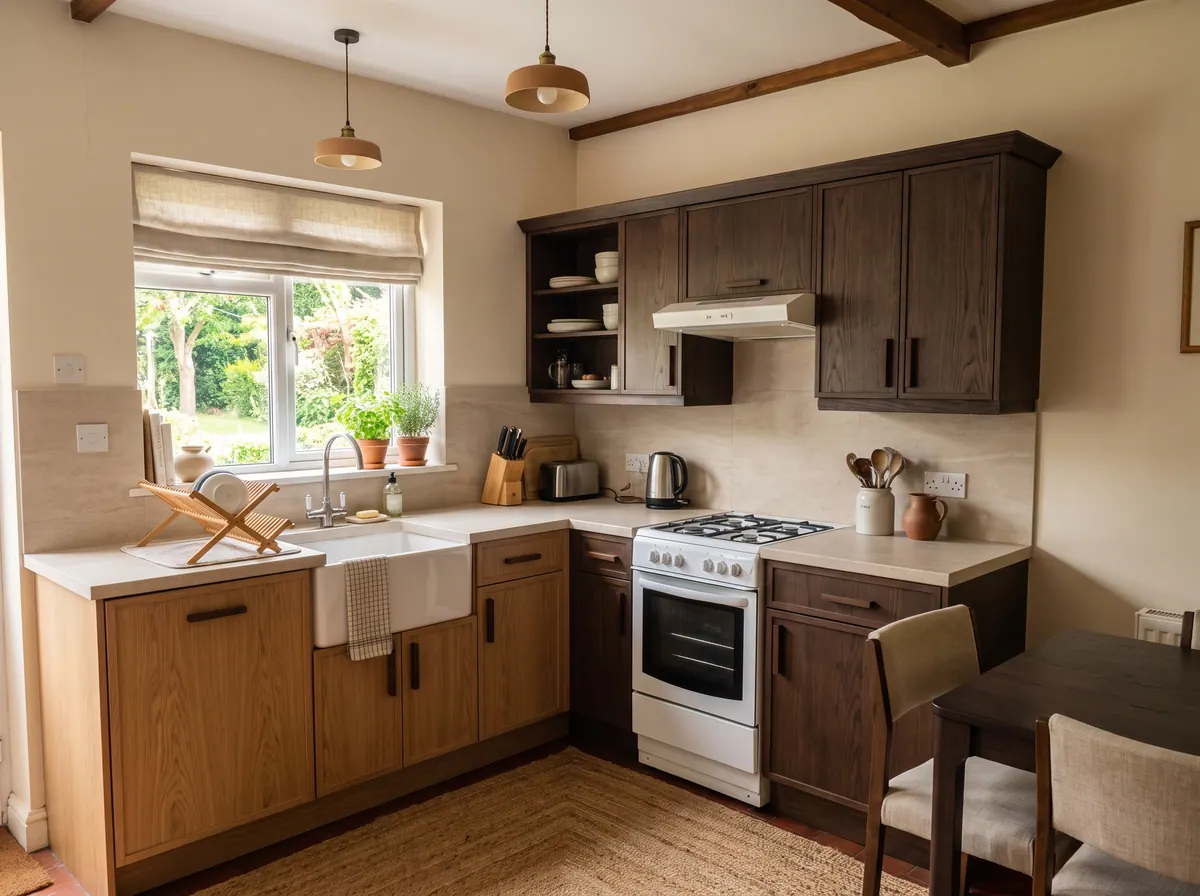
Scandinavian rooms are lighter and brighter, with more white, more pattern and more cozy clutter. Japandi is calmer and lower, with darker wood and fewer things.
Traditional Japanese rooms are even sparer, with tatami mats, shoji screens and floor seating. Japandi keeps the calm but adds Scandinavian comfort: a real sofa, soft textiles and warm lamps.
Read the Japanese guideBoth use few things, but minimalism can feel stark and cool. Japandi is warmer: natural wood, soft textiles and handmade objects make a sparse room feel lived in.
Warm white, sand, oatmeal and taupe for walls and textiles, light and dark wood, charcoal or black for contrast, and muted sage, clay or ochre as accents.
It doesn’t have to be. Japandi favors fewer, simpler pieces, so start by clearing out, then add natural materials over time: a linen throw, a paper lamp, a wooden tray.
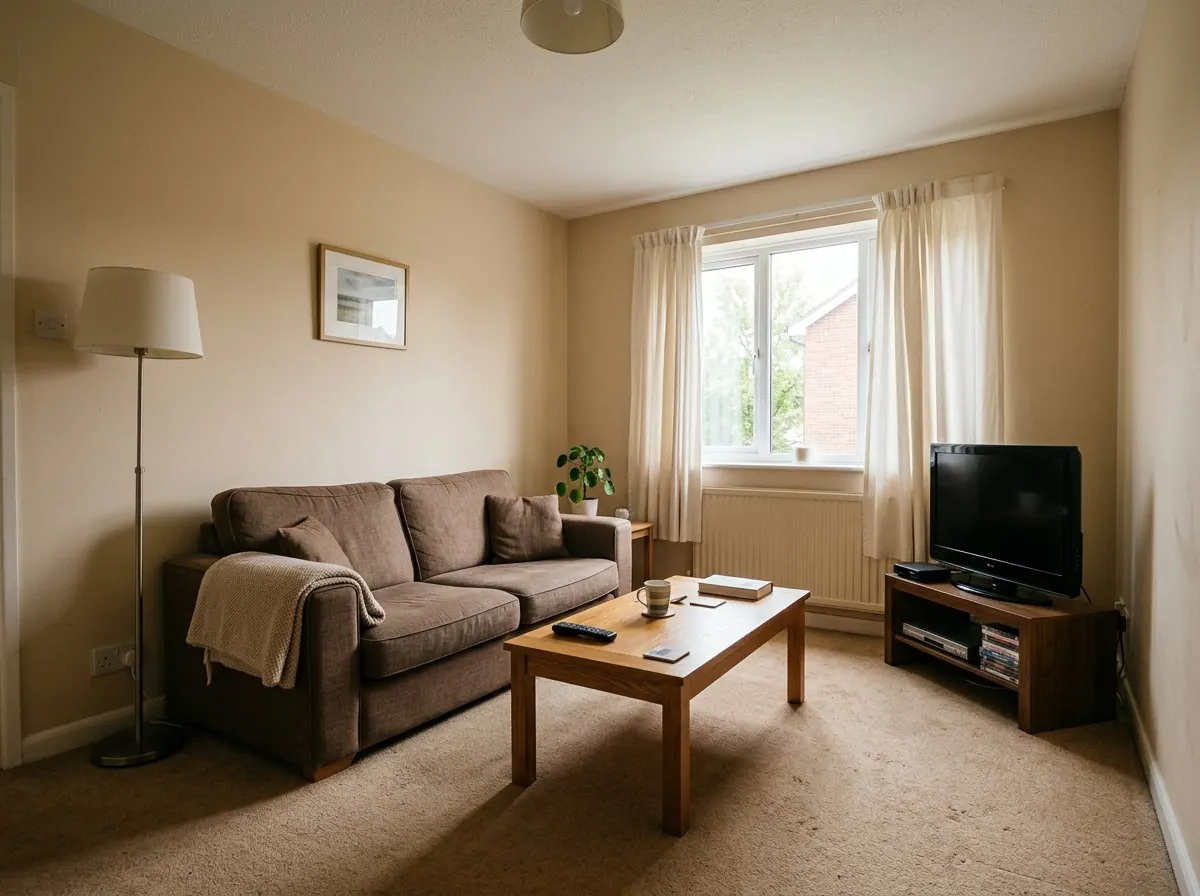
Yes. Upload a photo to the AI Interior Designer and pick Japandi. It keeps your walls, windows and layout and restyles the furniture, colors and decor. Then you can change any detail in your own words.
Upload a photo and get your first design free. No credit card needed.